Clean bedding should do more than smell fresh. Washing should remove sweat, body oils and dirt while reducing microorganisms without damaging the fabric. The goal is hygiene, not making every sheet sterile. Laundry Hygiene Review
The best approach is straightforward: follow the care label, measure a suitable detergent, choose an appropriate cycle and dry everything completely. Hot water and disinfectants are useful in some situations, but they are not necessary for every household load.
This guide explains how often to wash bedding and towels, which temperatures to use, how to choose laundry chemicals and how to solve persistent odor problems.
How Often Should You Wash Bedding and Towels?
Washing frequency depends on use, sweating, dampness and individual health needs.
| Item or situation | Recommended washing routine |
|---|---|
| Bedsheets in normal household use | At least every two weeks; wash more often if you sweat heavily at night. cleaninginstitute |
| Sheets, pillowcases and duvet covers for dust-mite-allergy management | Weekly at 60°C, if the care label permits. |
| Bath towels | After three to five normal uses, allowing them to dry between uses. cleaninginstitute |
| Visibly soiled or body-fluid-contaminated bedding | Wash promptly rather than waiting for the scheduled laundry day; follow relevant infection-specific advice where needed. Washing frequency,detergent quantity & stain treatment |
| Pillows, duvet inserts and wool blankets | Follow the individual care instructions rather than applying a universal weekly washing rule. |
Hang towels open after use. A towel that remains damp between uses needs a different approach from one that dries fully.cleaninginstitute
When buying new bedding, consider whether its washing requirements fit your routine. Our guide to choosing bedding for everyday comfort provides additional buying considerations.textilesflow
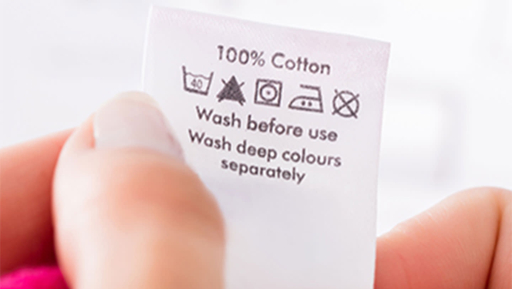
What Temperature Should You Wash Bedding At?
The care label takes priority. Fiber content alone does not determine a safe temperature: dyes, finishes, trims and fillings also affect how an item should be washed.
| Textile or cleaning need | Temperature guidance | Important precaution |
|---|---|---|
| Routine washable bedding | A label-permitted 30–40°C cycle with a suitable detergent can be appropriate for routine cleaning | Do not describe an ordinary low-temperature wash as guaranteed disinfection. |
| Bedding used in a dust-mite-allergy routine | 60°C, where permitted | Recommends weekly washing at this temperature for suitable bedding. |
| Heat-tolerant cotton bedding or towels needing additional hygiene measures | Use the warmest suitable setting permitted by the label | Effectiveness depends on the detergent, cycle and organism—not temperature alone. Laundry Hygiene Review |
| Machine-washable wool blankets | The specified wool or very mild cycle, commonly 30–40°C depending on the label | Gentle mechanical action and wool-compatible detergent are essential. |
| Silk, delicate bedding and filled items | Follow the manufacturer’s specific washing or specialist-cleaning instructions | Do not substitute a hot cotton cycle. |
Check care requirements before choosing a fabric or construction. Our satin versus cotton bedding comparison also highlights the importance of washing and drying instructions.textilesflow
Does a 60°C wash kill every germ?
No. Laundry hygiene depends on temperature, exposure time, detergent chemistry and mechanical action working together. A temperature setting by itself does not prove that every microorganism has been eliminated.
For routine laundry, hotter is not automatically necessary. CDC states that hot water is not required to remove MRSA from laundry when appropriate washing instructions are followed.cdc
Which Detergent or Laundry Chemical Should You Use?
Cleaning, stain removal and sanitization are different functions. Choose a product for the task and check its compatibility with the textile.
| Product | Main purpose | Textile precautions |
|---|---|---|
| Standard laundry detergent | Removes oils, dirt and many microorganisms during washing | Use a formulation suitable for the fabric and machine. |
| Enzyme-containing detergent | Helps break down certain organic soils | Avoid unsuitable heavy-duty enzyme detergents on wool; choose a wool-approved product. woolmark |
| Chlorine bleach: sodium hypochlorite | Whitening and labelled antimicrobial treatment | Use only on bleach-safe textiles. Avoid wool, silk and spandex-containing items. clorox |
| Oxygen bleach: peroxide-based or sodium-percarbonate formulations | Helps remove stains and odors | Check compatibility; Woolmark advises against oxygen bleach on wool. Do not assume every oxygen bleach disinfects. |
| Laundry sanitizer | Antimicrobial treatment against organisms specified on its label | Follow the dose, application stage and contact-time instructions. |
| Mild, neutral wool detergent | Gentle washing of washable wool | Use with the blanket’s specified cycle and temperature. woolmark |
How much detergent should you use?
Use the dose printed on your exact product. “One scoop” or “one cap” is not a universal measurement because formulations and measuring tools differ.
For your own product:
- Identify whether it is powder, liquid or concentrate.
- Follow the instructions for the load and machine type.
- Use its marked scoop, cap or a suitable measuring tool.
- Do not pack the drum so tightly that bedding cannot move freely.
Is chlorine bleach safe for cotton sheets?
It can be safe for bleach-compatible cotton bedding, but white fabric is not automatically bleach-safe. Colored dyes, prints, embroidery and blended fibers may change the restrictions.
Cotton containing spandex or elastane should not be treated with chlorine bleach, even when the item is white.
How much chlorine bleach should you add?
Follow the laundry dose and contact time on your exact bleach bottle. Product concentrations, machine instructions and whitening versus sanitizing requirements differ. A dose copied from another brand or country may not be appropriate.
Do not substitute a surface-disinfection dilution for laundry instructions.
Never pour concentrated bleach directly onto bedding, exceed the dispenser’s maximum level or mix bleach with vinegar, ammonia, acids or other cleaners or disinfectants. Dangerous fumes can result.cleaninginstitute
Why Do Towels or Bedsheets Still Smell After Washing?
Persistent odor is a reason to review the washing and drying process—not immediately add more fragrance.
1. Check drying between uses
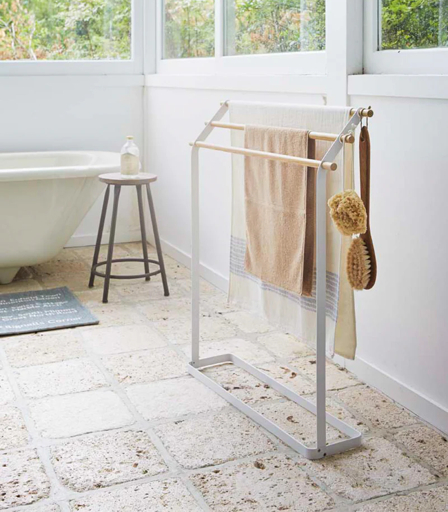
Spread towels open on a rail rather than leaving them bunched up. Allow them to dry before the next use.cleaninginstitute
2. Check detergent instructions and loading
Use the specified dose and leave room for movement. An overloaded machine can interfere with effective washing.
3. Check the washing machine
Washing-machine biofilms can contribute to odor and recontamination. Follow the manufacturer’s maintenance instructions for cleaning the machine rather than improvising chemical mixtures.
4. Rewash with a compatible process
Use a suitable detergent and the warmest appropriate cycle allowed by the textile’s label. Add an oxygen stain remover or laundry sanitizer only if it is compatible and relevant to the problem.
5. Dry completely before storage
Do not fold or store damp bedding. Complete drying is part of effective household laundry hygiene.
A musty smell is not proof of mold. Bacteria, residual soils and washing-machine contamination can also contribute to laundry odors; smell alone cannot identify the organism.
Which Microorganisms Can Be Present on Bedding?
Textiles pick up microorganisms from skin, bodily fluids and the environment. Their presence does not automatically mean they will cause illness.
Examples include:
- Staphylococcus aureus, including MRSA, which can reach sheets and towels through skin contact or infected wounds. cdc Guidance.
- Moraxella species, some of which have been associated with wet-laundry odor.
- Trichophyton fungi, which cause infections such as athlete’s foot and can contaminate textiles used by an infected person.
- Viruses such as norovirus, which may contaminate laundry during illness but do not multiply on fabric.
Dust mites are different: they are microscopic arachnids, not microorganisms. Weekly washing at 60°C, where permitted, helps control mites in suitable bedding, while washing also removes water-soluble mite allergens.
What Are the Health Benefits of Properly Washed Bedding?
Proper laundering offers three practical benefits:
- It reduces microbial contamination and potential transfer. Washing removes or inactivates microorganisms, although it does not guarantee protection from every infection.
- It supports dust-mite-allergen management. Appropriate bedding washing is one part of an allergy-control routine, not a guaranteed cure for allergic symptoms.
- It removes sweat, oils and odor-producing residues. Fragrance alone does not show that these residues have been removed.
More disinfectant does not automatically mean a healthier home. Routine detergent washing is sufficient in many household circumstances.
Frequently Asked Questions
Can I wash bedding at 40°C?
Yes, when the care label permits it and the detergent is suitable. This can be appropriate for routine cleaning, but it is not automatically a disinfecting process, recommends 60°C for compatible bedding.
Does oxygen bleach disinfect laundry?
Not necessarily. Antimicrobial effectiveness depends on the formulation, dose and washing conditions. Only describe a product as sanitizing or disinfecting when its label supports that use.
Can sick-person laundry be washed with other items?
General household guidance says it can, using detergent, the recommended temperature and complete drying. Particular infections or severely weakened immunity may require additional healthcare advice.
For everyday bedding care, prioritize the correct process over unnecessary heat or chemicals. Always follow the textile label, laundry-product instructions and washing-machine manual.